
When a North Texas summer settles in and afternoon highs push past 100 degrees, an air conditioner that suddenly blows warm air can turn a comfortable home into a sweatbox within hours. If you are searching for reliable AC repair in Dallas, you are far from alone on the hottest week of the year, and understanding what went wrong helps you describe the problem clearly when you call a technician.
From Preston Hollow and Lakewood to Oak Cliff and the suburbs of Southlake and Trophy Club, the same handful of failures account for most cooling breakdowns. Below, our team walks through why a Dallas system stops cooling, what you can safely check yourself, and when a warm house means it is time to schedule professional AC repair before a small issue grows into a full replacement.
The Most Common Reasons a Dallas AC Stops Cooling
Air conditioners rarely fail without warning. Most cooling problems trace back to airflow, refrigerant, electrical faults, or a system asked to run harder than it was sized for. Knowing which category your symptoms fall into is the first step toward a fast fix.
- Restricted airflow from a clogged filter or blocked return vent
- Low refrigerant caused by a slow leak in the coil or line set
- A frozen evaporator coil that has iced over
- Thermostat, capacitor, or contactor failures
- A tripped breaker or a failed run capacitor
Dirty Filters and Restricted Airflow
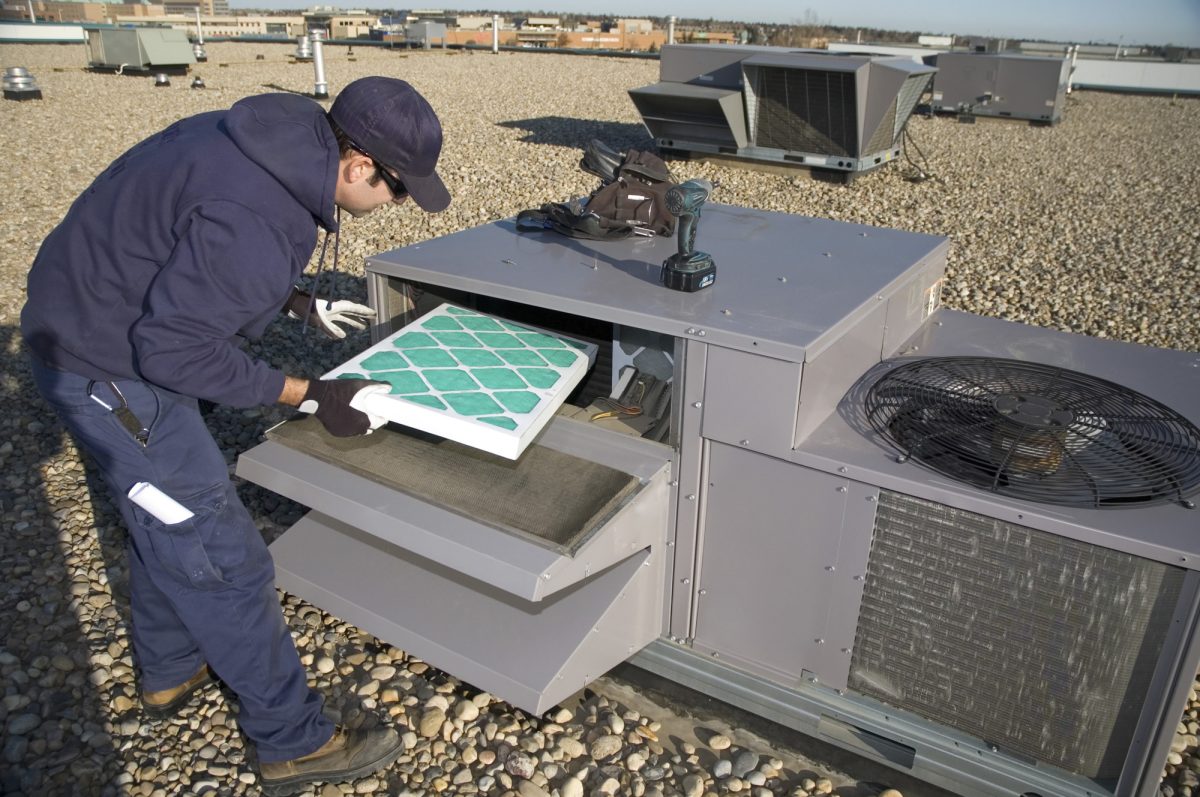
A dirty air filter is the single most common reason a Dallas AC underperforms. When the filter clogs, the blower cannot pull enough air across the coil, so the system loses cooling capacity while working harder and burning more electricity. During peak summer, many homes need a fresh filter every 30 days rather than every 90.
Closed supply vents, crushed flex ducts in a hot attic, and furniture blocking return grilles cause the same problem. If only some rooms feel warm, airflow is usually the culprit.
Low Refrigerant and Slow Leaks
If your system hisses, shows ice on the copper lines, or cools poorly even with a clean filter, it may be low on refrigerant. Refrigerant is not consumed like fuel, so a low charge almost always means a leak. Simply topping it off without finding the leak is a temporary and costly patch.
A licensed technician can locate the leak, make the repair, and recharge the system to the manufacturer specification. Because vented refrigerant is an environmental concern, the U.S. EPA regulates how it is handled, which is one reason this is never a DIY job.
Frozen Evaporator Coils
A coil that freezes into a block of ice will stop cooling entirely. The cause is usually too little airflow or low refrigerant rather than too much cold. If you see ice on the indoor unit, switch the system to fan-only for an hour to let it thaw, then replace the filter before running cooling again.
If the coil freezes a second time, shut the system down and call for service. Running a frozen system can burn out the compressor, which is the most expensive part to replace.
Thermostat and Electrical Failures
Sometimes the air conditioner is fine and the thermostat is the problem. Dead batteries, a tripped breaker, or a failed capacitor can all leave you with a warm house. A swollen or failed capacitor is one of the most common single-part failures we see in the North Texas heat.
Because loose wiring and worn contactors can create a fire risk, any repair touching the electrical side of your system should be handled by a qualified professional.
Why Summer Overload Is Hard on North Texas Systems
Dallas systems run nearly nonstop from June through September, and that constant demand exposes weak components. An air conditioner that was already marginal in May will often fail on the first stretch of triple-digit days. Cooling makes up a large share of summer power use in hot climates, as ENERGY STAR notes, so a struggling system also shows up on your electric bill long before it quits.
What You Can Check Before Calling for AC Repair
Before you schedule service, a few quick checks can sometimes restore cooling or speed up the diagnosis:
- Confirm the thermostat is set to cool and below the current room temperature
- Replace the air filter if it looks gray or dusty
- Check that the breaker for the AC has not tripped
- Clear leaves, grass, and debris away from the outdoor unit
- Confirm the outdoor unit is running and its fan is spinning
When to Call a Dallas AC Repair Professional
If the basics check out and your home still will not cool, it is time for professional help. Warm air, grinding or buzzing noises, burning smells, water pooling around the indoor unit, or a system that short-cycles on and off all point to problems that need trained diagnosis. Catching these early is the difference between an affordable repair and a full system replacement.
Need Same-Day AC Repair in Dallas?
Do not sweat through a Texas summer with a broken system. Our licensed technicians find the problem fast and restore cooling with honest, upfront recommendations.
Dallas AC Repair FAQs
How quickly can you repair my AC during a Dallas heat wave?
We prioritize no-cooling calls during extreme heat and offer same-day service across most of the Dallas area. Calling early in the day gives you the best chance of a same-day appointment before the schedule fills up.
Is it better to repair or replace an older AC unit?
As a rule of thumb, if your system is under 10 years old and the repair costs less than about a third of a new unit, repairing usually makes sense. Older systems with a major failure such as a bad compressor are often better replaced with a more efficient model.
Why does my AC freeze up only on the hottest days?
Ice usually forms when airflow drops or refrigerant is low, and extreme heat pushes a marginal system past its limit. Replacing a clogged filter often helps, but repeated freezing means a technician should check the charge and coil.
Your North Texas AC Repair Team
Ideal Services keeps homes comfortable from Dallas and Preston Hollow to Southlake, Trophy Club, and the surrounding DFW communities. When your air conditioner quits in the heat, our licensed technicians arrive ready to diagnose the issue and explain your options clearly. See why local homeowners trust our 5-star reviewed team, browse answers on our HVAC FAQ page, or contact us to schedule service today.
