
In North Texas, the shift from cooling to heating does not happen on a calendar date. It happens the week an early cold front rolls through and you reach for the thermostat for the first time in months. If your system has been running in cooling mode since April, that first call for heat is a moment of truth, and it is far better to prepare for it now than to discover a problem on a 38-degree morning.
A little attention in late September keeps your home comfortable through the swing and helps you avoid the rush when everyone in Dallas turns on their heat at once. Scheduling HVAC maintenance before the season changes is the single best step you can take.
Give the Cooling Season a Proper Sendoff
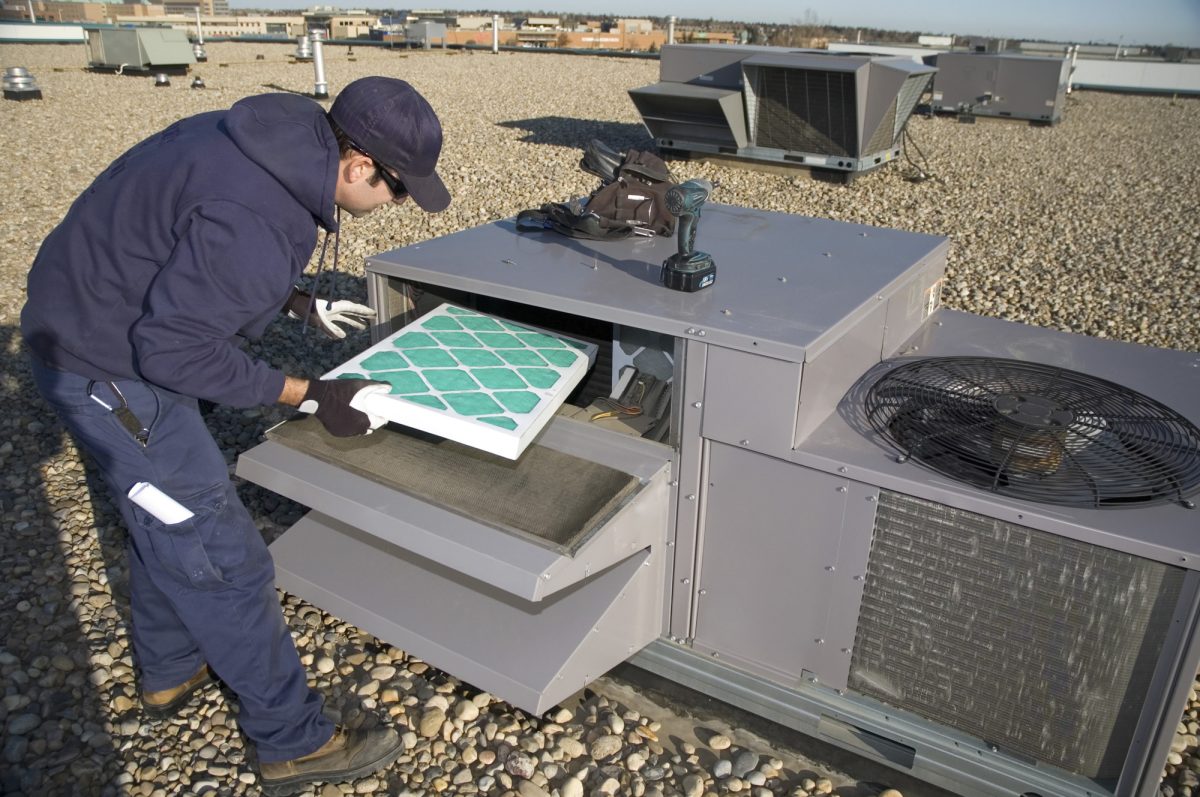
Before you rely on heat, take a moment to close out the cooling season. Clear leaves and debris from around the outdoor condenser, make sure the unit is level and unobstructed, and replace the air filter you have been running all summer. A fresh filter protects airflow and indoor air quality as you switch modes.
Test the Heat Before You Need It
On a mild day, switch your thermostat to heat and let the system run for ten to fifteen minutes. A faint burning smell as dust burns off the heat exchanger is normal the first time, but persistent odors, weak airflow, or no warm air at all are signs to call a professional. Testing now means any repair happens on your schedule, not during the first freeze.
Check and Update Your Thermostat
Confirm your thermostat switches cleanly between cooling and heating, and set the changeover point so the system does not accidentally run both. If you have a programmable or smart thermostat, build a heating schedule that reflects cooler mornings and evenings. The Department of Energy notes smart scheduling is one of the easiest ways to save, per its energy saver guidance.
Do Not Skip the Professional Tune-Up
Even a system that cooled flawlessly all summer can hide heating-side problems: a cracked heat exchanger, a failing igniter, or a clogged flame sensor. A fall maintenance visit inspects burners, checks safety controls, and verifies the system is ready for the heating season. ENERGY STAR recommends professional seasonal maintenance to protect efficiency and safety, per its maintenance guidance.
Seal Up the Small Stuff
Weatherstripping doors, caulking gaps, and confirming your attic insulation is intact all reduce how hard your heating system has to work. These low-cost fixes pair perfectly with an HVAC tune-up to keep your winter bills in check.
Get Ahead of the First Dallas Cold Front
Do not wait for a breakdown on the coldest morning of the year. Our technicians inspect and tune your system now so it is ready the moment you need heat.
Fall HVAC Transition FAQs
When should I switch my Dallas HVAC system from cooling to heating?
There is no fixed date in North Texas. Most homeowners make the switch when the first real cold front arrives, often in October or early November. The key is to test your heat on a mild day beforehand so you are not discovering a problem during the first freeze.
Do I really need a fall HVAC checkup if my system worked fine all summer?
Yes. Cooling and heating rely on different components, so a system that cooled perfectly can still have a failing igniter, a clogged flame sensor, or a cracked heat exchanger on the heating side. A fall tune-up catches these before you depend on your furnace.
What should I do with my outdoor unit in the fall?
Clear away leaves, grass, and debris, make sure nothing is blocking airflow, and keep the top clear. If you use a heat pump, do not cover the unit, since it still operates in heating mode. For a traditional AC condenser, a breathable cover can keep debris out over winter.
A Smooth Seasonal Switch in North Texas
Ideal Services helps Dallas families transition their HVAC systems season after season without the stress of a surprise breakdown. Get more guidance on our HVAC FAQ page, read reviews from homeowners across North Texas, or visit our home page to see all of our services.
